How Cervinia’s Lift Overhaul Will Trigger a Real Estate & Short-Term Rental Boom

The Project in a Nutshell
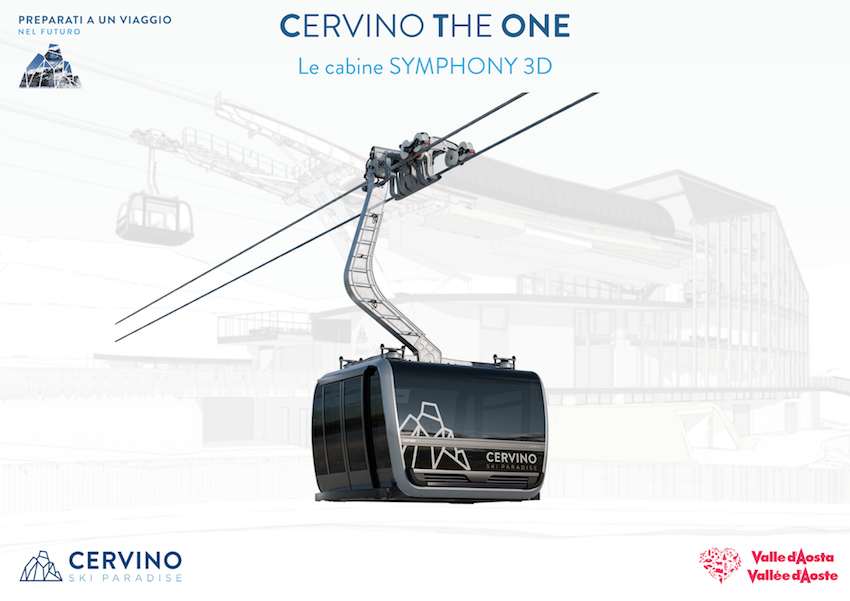
Cervino S.p.A. has launched a €200 million investment called “Cervino – The One”, which will dramatically upgrade lift access between Breuil-Cervinia (Italy) and Plateau Rosà, improving the connection to Zermatt.
Key features: replacing a winding three-lift chain with two high-capacity Leitner 3S gondolas; cutting journey times from ~1 hour to 15-20 minutes; nearly tripling uphill capacity from ~1,250 to 3,000 people/hour.
New station infrastructure: modernised mid- and top-stations with shops, restaurants, and facilities.
Also, separately, the Goillet chairlift is being upgraded (six-seat, with “EcoDrive” etc.), which improves the connectivity between Valtournenche and Cervinia.

Why Real Estate & STR (Short-Term Rental) Will See a Blowout
Here are the mechanisms and what to expect:
Driver | Impact on Real Estate Prices / Demand | Impact on STR / Rental Market |
Improved accessibility & reduced travel times | Properties closer to the upgraded lifts (or with easy access) will become much more desirable. Travel time translates directly into value: less time spent commuting to lift, more time on slopes or leisure. More demand will drive up prices. | Tourists will more strongly favour properties that offer quick access to the lifts. Listings further from lift access will demand discounts or lose occupancy. Nightly rates should increase significantly in areas well served. |
Increased capacity and year-round operation | With the lifts designed to work more reliably in adverse conditions and with more capacity, more people can visit, and more seasons (including summer/shoulder seasons) will see traffic. This increases demand for housing not just in peak winter. Permanent residents and second-home buyers may see more incentive to buy. | STR market will see higher occupancy / more nights booked across longer parts of the year. Hosts will likely raise prices in high-demand periods. New types of short-term offerings might emerge (premium, luxury, convenience). |
Upgraded amenities & station infrastructure | Areas around new, modern stations will become mini-hubs with shopping, restaurants, and services. Properties near them get a boost in value from both practical accessibility and lifestyle appeal. | Proximity to amenities becomes a selling point for rentals. Properties within walking distance will be able to charge more. Also, more luxury / higher-end STRs will emerge. |
Marketing & prestige spillover | Cervinia is already ranked among the top ski destinations in the world (per Savills’ Ski Report). This upgrade enhances prestige. For international buyers, especially, prestige can be a strong motivator. | More demand from foreign tourists, premium travellers, maybe those with higher budget. Increased marketing will attract more bookings abroad. Host platforms may see greater competition. |
Investment speculation & land scarcity | As land near lifts becomes scarce or expensive, speculative investment will increase. Buyers might buy not just to use, but to flip or rent. Prices for remaining undeveloped plots will jump. | More STR-oriented development. More conversion of existing long-term rental / residential units into STRs, especially near lifts. |
Possible Risks / Moderating Factors
Of course, the boom won’t be uniform; there are countervailing forces or risks which might temper or delay the blowout:
Cost and timeline: Big alpine projects often face delays, regulatory hurdles, and environmental concerns. If construction drags, speculative buyers may hesitate. From what is known, the timeline is not yet fully firm.
Environmental and climate constraints: Weather, wind, snow reliability, and environmental regulation might limit usage, especially at higher altitudes. This could affect both demand and operations.
Infrastructure strain: Increased visitor numbers will demand more roads, utilities, and services. If these lag behind, it could reduce quality e.g. congestion, traffic, and wear on local services.
Regulation of short-term rentals: Local or national authorities might impose limits, taxes, and registration requirements. If the STR market is regulated tightly, this might curb overly speculative growth. There are precedents in Italy and elsewhere for cracking down on unlicensed rentals.
Affordability concerns/displacement: As prices escalate, it could price out local residents or long-term housing. This can create social backlash or political resistance, potentially leading to policy interventions.
What We May See & When
Here are predictions of what will happen, roughly in the short, medium, and longer term:
Short term (1-2 years)
• Rising real estate interest, especially from those buying second homes or investment properties.
• Developers begin planning or marketing new high-end condos close to lift stations.
• STR hosts in well-located properties begin increasing nightly rates and occupancy.
• Gaps: demand outstrips available “premium” stock near newly upgraded lifts.
Medium term (3-5 years)
• Strong price inflation in villages and zones near the upgraded gondola lines, mid-stations. People will pay for convenience / view / amenities.
• More of the housing stock shifts from long-term/residential to STR or part of short-stay investment portfolios.
• Infrastructure (hotels, services, restaurants) catches up; new businesses open near lift stations. Traffic patterns change; perhaps better transport connections to airports.
Long term (5-10 years and beyond)
• Cervinia becomes more of a year-round destination, not just winter skiing, but summer mountain tourism, hiking, glacier views, etc. The real estate premium for all-season access solidifies.
• Some saturation: costs, regulations, and competition might moderate returns. Only the highest-quality STRs or those with unique features will thrive.
• Potential for ultra-luxury development to dominate some zones. Also, possible strain on local culture / affordability if not managed properly.
Case Comparisons & What Other Resorts Show
To reinforce how lift & access upgrades tend to impact real estate/rentals, you can look at examples:
When resorts link to larger ski domains (e.g., via high altitude gondolas, new access passes), properties in the previously less accessible zones tend to see price jumps of 20-50% in the first few years.
Resorts that achieve “endless/extended season” status often see less seasonality in rentals (i.e. more bookings outside winter), which boosts overall revenues and steadier income streams.
Cervinia is already seeing some of that: the “endless season” (lifts open nearly year-round) for Cervino-Ski Paradise.
Conclusion
Putting it all together, the “Cervino – The One” project looks set to unleash a powerful cascade of effects on both real estate values and short-term rentals in Cervinia and its surroundings. The combination of vastly improved access, increased capacity, upgraded amenities, and extended season means that properties close to the new lifts will become far more valuable; STR income potential will increase; and investors will shift their attention to this region. That said, the scale of the blowout will depend heavily on how well the infrastructure and regulations are managed, and whether local communities can adapt without being squeezed out.

Comments